
Origins in the 17th Century
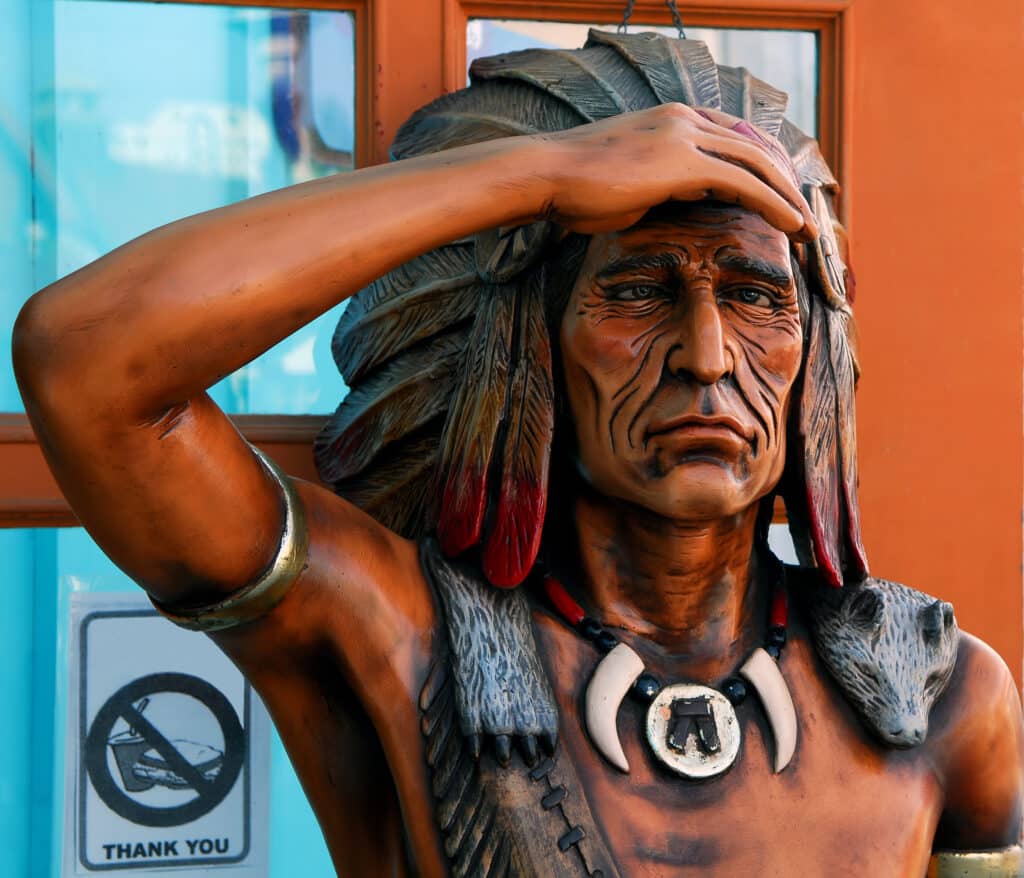
Cigar Store Indians—also known as “trade figures”—date back to the 1600s in Europe and America. When many people couldn’t read, shopkeepers used carved wooden figures outside their doors so customers could identify what the store sold.
Barbers used striped poles
Tailors displayed scissors
Tobacco shops used Native American figures because Indigenous people were closely associated with the early tobacco trade.
Symbolism and Early American Tobacco
In colonial America, tobacco was deeply linked to Native American cultures, who had grown and used it for medicinal, ceremonial, and social purposes long before European contact.
Carvers began creating wooden statues—often exaggerated or stylized—to represent this connection. The figure usually held:
Bundles of tobacco leaves
A peace pipe
A cigar or snuff box
These carvings, often carved from pine, cedar, or basswood, became a recognizable symbol for tobacco shops.
Peak Popularity in the 1800s
The 19th century was the true golden era of Cigar Store Indians. As cities grew and competition increased, shop owners used increasingly elaborate, colorful, and sometimes life-sized figures to catch customer attention.
Some of the most famous carving shops—including Thomas V. Brooks, John Cromwell, and Samuel Robb—created highly collectible pieces that today can sell for tens of thousands of dollars.
Decline in the 20th Century
Several factors led to the fade-out of these figures:
Improved literacy, making symbolic signage less necessary
Sidewalk regulations that restricted large objects outside stores
Growing awareness of cultural misrepresentation and stereotyping
Mass-produced signs becoming cheaper and easier to use
By the mid-1900s, Cigar Store Indians were no longer a common sight.
Collecting and Controversy Today
Today, original carvings are considered folk art and are highly collectible. However, they’re also viewed through a modern lens of sensitivity and respect for Native American people and cultures.
Collectors and museums often emphasize:
Their place in American advertising history
Their role as examples of 19th-century woodcarving craftsmanship
The need to understand them within their historical context, acknowledging the stereotypes they portrayed
A Piece of Tobacco History
For cigar lovers and history buffs, Cigar Store Indians represent a unique blend of:
Early American commerce
Tobacco-trade symbolism
Folk art tradition
Evolving cultural awareness
They stand as an iconic—but complex—artifact from the era before printed signs and mass marketing defined the retail world.