
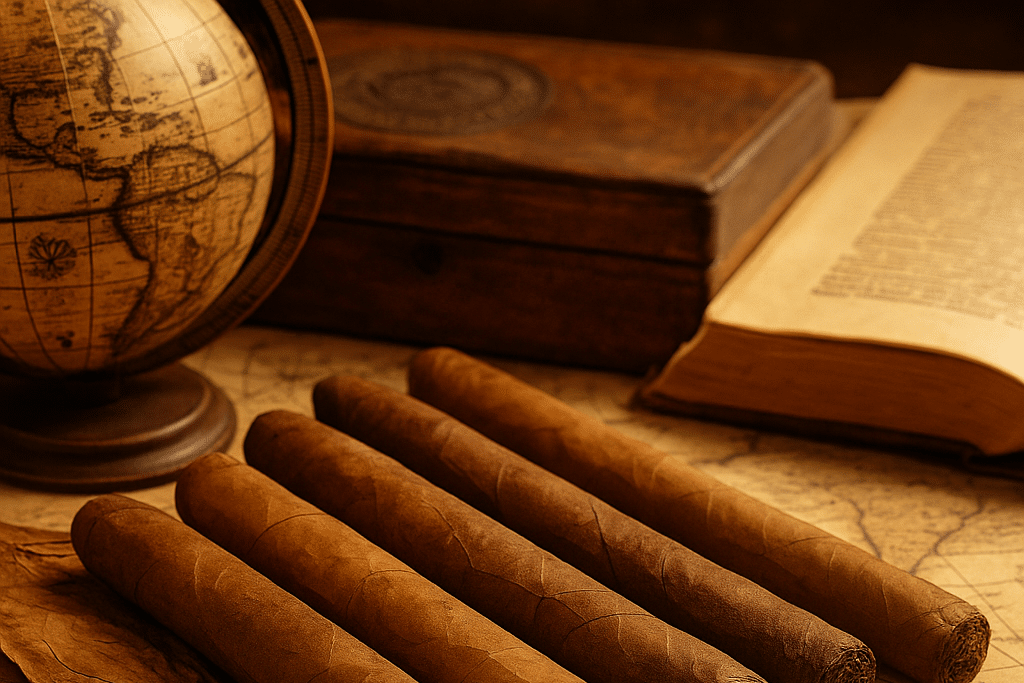
The History of Cigars: From Ancient Rituals to Modern Luxury
Few pleasures have a history as rich and fascinating as the cigar. What began as a sacred tradition in the ancient Americas has evolved into a global symbol of craftsmanship, culture, and relaxation. Whether you’re a seasoned aficionado or new to the cigar world, understanding the history behind your favorite smoke adds a deeper appreciation to every draw.
Early Origins: The Birth of the Leaf
The story of cigars stretches back thousands of years. The earliest known evidence of tobacco use comes from the indigenous peoples of Central America. Mayans are believed to have wrapped tobacco leaves in plant fibers or palm leaves—essentially creating the earliest form of a cigar. These early smokes weren’t just for enjoyment; they were used in rituals, healing practices, and ceremonies.
When European explorers arrived in the late 1400s, they encountered tobacco for the first time. Christopher Columbus famously observed the native people of the Caribbean smoking rolled tobacco leaves and brought the idea back to Europe. From there, tobacco quickly became a cultural curiosity—and soon, a booming industry.
The Spread of Tobacco Through Europe
By the 1500s and 1600s, tobacco use surged across Spain, Portugal, and France. The Spanish played a major role in shaping the modern cigar. They developed methods to roll tobacco in a more controlled, uniform style and eventually brought cigar-making to Cuba—an island whose climate and soil would become the gold standard for tobacco cultivation.
Cuba’s Rise as the King of Cigars
Cuba’s fertile Vuelta Abajo region produced tobacco unlike any other in the world. By the 1700s, Cuban cigars were gaining fame for their exceptional quality, flavor, and aroma. The Spanish crown, recognizing the value, even tried to monopolize the industry. Despite strict regulations, Cuban cigar craftsmanship flourished, and famous brands like H. Upmann, Partagás, and Romeo y Julieta were born.
By the 1800s, cigar lovers everywhere knew the truth: if you wanted the best, you looked to Cuba.
Cigars in America: A Growing Passion
As tobacco culture spread, cigar factories popped up throughout the United States—from New York and Pennsylvania to Florida’s famous Ybor City. By the late 19th and early 20th centuries, cigars were woven deeply into American life. Factory rollers, known as torcedores, produced millions of cigars a year, and smoking them became a symbol of status, celebration, and leisure.
The Modern Era: Craftsmanship, Tradition & Global Influence
Today, cigars are produced all over the world, with standout regions including:
Nicaragua – known for bold, complex flavors
Dominican Republic – admired for smooth, balanced profiles
Honduras – famous for rich, earthy blends
Ecuador & Cameroon – revered for their unique wrappers
While political changes and trade restrictions reshaped the industry—especially with Cuban cigars—the passion for premium cigars has only continued to grow. Modern cigar makers blend traditional techniques with innovation, creating products that celebrate heritage while offering new experiences.
Why History Matters to the Modern Smoker
Every cigar today carries a legacy of craftsmanship and culture. When you light up, you’re experiencing a tradition that spans:
Ancient rituals
Global exploration
Generations of skilled tobacco farmers and rollers
Centuries of refinement in flavor and construction
It’s more than a pastime—it’s a piece of history in your hands.